
Kindness Is a Strategy, Not a Nice-to-Have (and Roast Potatoes on a Desert Island)
Meet the guest
Watch
Get the Video and Slides
Show notes
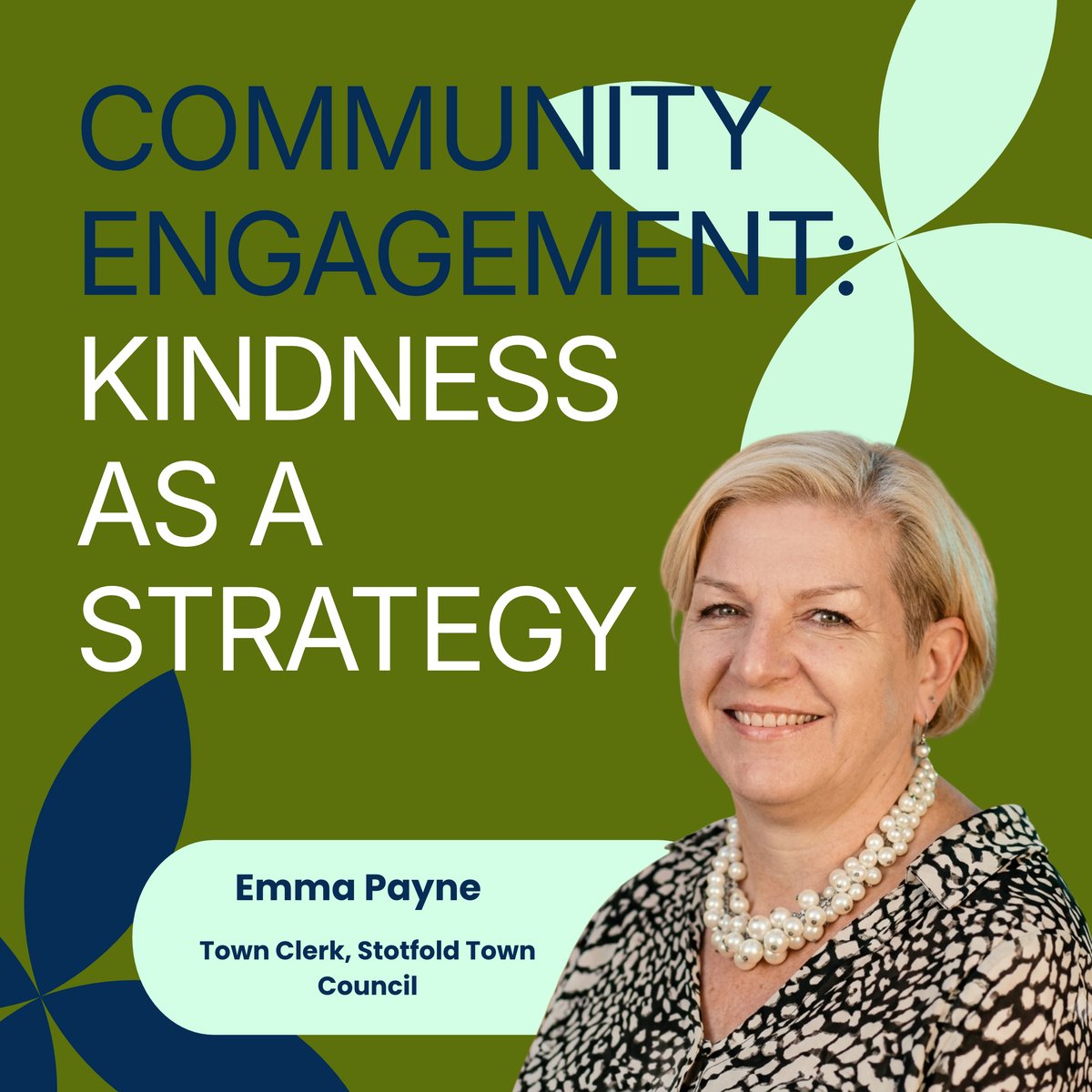
Stotfold Town Council used to answer pothole complaints the way most councils do: it's not our responsibility, report it to the principal authority. Accurate, but it didn't build trust. Emma Payne, Town Clerk at Stotfold, explains how changing the council's reaction, rather than its answer, helped take resident satisfaction from 20% in 2022 to 53% in the latest survey, and why kindness done properly is clear, consistent and deliberate, not soft.
Emma has been clerking for around 20 years, starting at a small parish council with no up-to-date standing orders and three years of unaudited accounts. Before that she spent ten years at P&O. She went to university in her fifties, gaining a degree in business development and leadership, and is now studying for an MA in Public Leadership.
What Emma covers:
- Event plus reaction equals outcome. You can't control the complaint, the decision or the difficult news, but you can control how the council responds, and that changes how residents receive it.
- From critics to advocates. How patiently explaining who does what, again and again, led to residents answering the "why aren't you fixing the potholes?" posts on the council's behalf.
- Delivering bad news. The skate park, the Section 106 money that couldn't be borrowed, and why the answer had to be no: lead with the news, explain why, and come with a solution.
- Kindness with boundaries. What's ours, what's allowed and what behaviour is acceptable, including the abusive voicemail Emma couldn't let lie.
- Asset-based community development. Finding the people and groups already doing good work in your community and inviting them in.
- Measuring it. Stotfold's annual residents' survey: around 600 responses from a town of 9,500, online and on paper, and why every council needs a baseline.
- Being kind to yourself. Rest is part of the job, ask for help early, and find your tribe through the SLCC and neighbouring clerks.
In the chat with John, Emma also tells us about Nev, her rescue spaniel and part-time office dog, what she'd tell her 18-year-old self, and which five foods she'd take to a desert island.
Chapters
Questions answered in this episode
Drawn from our conversation with Emma Payne, Town Clerk at Stotfold Town Council, and from the questions raised during the live session. The answers below are editorial summaries, not verbatim transcripts.
How can a town council build trust with residents who complain about things it isn't responsible for?
Rather than simply redirecting people to the principal authority, Stotfold acknowledged the frustration, asked whether the issue had been reported and for the reference number, and tracked complaints in a dedicated group so it could follow them up. Over time residents learnt who does what and began explaining it to others themselves.
What does 'event plus reaction equals outcome' mean for a council?
Councils can't control the complaint, the decision or the bad news itself, but they can control how they respond. A kind, honest and practical reaction changes how residents receive the message, even when the answer is the same.
Can a parish or town council borrow from Section 106 money for a different project?
In Stotfold's case, no. Section 106 funds held for maintaining specific sites couldn't be used to pay for a new skate park, even as a loan to be repaid. The clerk took advice from the internal auditor and found another way to fund the project, and explained the risk of an objection and an examination of the accounts if the money were misused.
Does being kind mean a council can't say no?
No. Kindness without boundaries is described as exhaustion, not kindness. Being clear about the council's responsibilities and limits, keeping a no as a no when it's challenged, and setting standards for acceptable behaviour are all part of it.
What should a clerk do if a resident leaves a threatening message?
Passionate complaints can be let go, but a threat shouldn't be. In the example discussed, reporting a threatening voicemail to the police protected both the clerk and staff who felt unsafe, and the person was interviewed under caution.
How can a council measure whether residents are more satisfied with it?
Stotfold runs a residents' survey each January for about six weeks, online and on paper, and gets around 600 responses from a population of about 9,500. Satisfaction rose from a 20% baseline in 2022 to 53%. Setting a baseline first is what makes progress visible.
How should a council handle survey feedback about services it doesn't run?
Treat it as useful information rather than criticism. It shows where residents misunderstand who does what, which can guide education, and it can be passed on to the principal authority. Starting with community groups and councillors' existing networks can help seed a first survey.
Where can clerks find support and mentoring?
SLCC branches have mentors, and branch meetings, including virtual ones, are a good source of support. Neighbouring clerks, county associations and contacts made through conferences and LinkedIn can all help, especially for lone or part-time clerks.